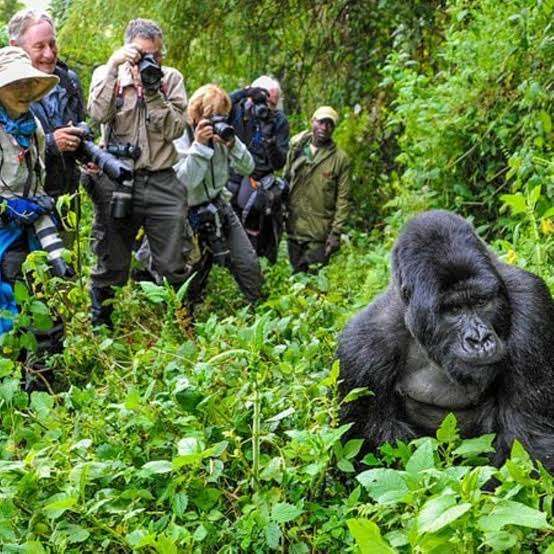
Seeing gorillas in their natural habitat is one of the most unforgettable wildlife experiences in Africa. These magnificent primates share many characteristics with humans, including their family bonds, intelligence, and social behavior. To see gorillas in their families feed, play, groom one another and care for their young ones in a natural forest environment is an extraordinary experience for wildlife lovers.
If you are wondering how to see gorillas in Africa, this guide explains the best destinations, how to book a gorilla trekking permit, what to expect during your trek, and how to prepare for this incredible adventure.
Whether you are planning a luxury African safari, an adventurous holiday, or your first wildlife trip, gorilla trekking offers a unique opportunity to connect with nature while supporting conservation.
1. Choose the Best Destination to See Gorillas
The first step in planning a gorilla trekking safari is choosing your destination. Mountain gorillas live in the forests of Uganda, Rwanda, and the Democratic Republic of Congo (DRC). Each destination offers a different experience, depending on your budget, travel preferences and itinerary.
Uganda
Uganda is one of the best destinations to see mountain gorillas in the wild. The country is home to mountain gorillas in Bwindi Impenetrable National Park and Mgahinga Gorilla National Park.
Bwindi is particularly popular because it protects a large population of mountain gorillas and offers several trekking sectors. Visitors can explore its ancient rainforest, encounter other wildlife, and experience local cultures.
Mgahinga Gorilla National Park provides another opportunity to track mountain gorillas while enjoying beautiful volcanic scenery.
Uganda is also ideal for travelers who want to combine 🦍🌿gorilla trekking with chimpanzee tracking, wildlife safaris, 🚤boat cruises and birdwatching.
Rwanda
Rwanda offers mountain gorilla trekking in Volcanoes National Park, located in the country's northwestern region. The park features dramatic volcanic landscapes, bamboo forests and beautiful mountain scenery.
Travelers often choose Rwanda because Kigali International Airport provides convenient access to see gorillas in their region. This makes Rwanda suitable for shorter gorilla trekking holidays.
You can also combine gorilla trekking with cultural experiences, visits to Kigali, and wildlife safaris in Akagera National Park.
Democratic Republic of Congo
The Democratic Republic of Congo is another destination for mountain gorilla trekking, particularly in Virunga National Park when tourism operations are open and conditions permit.
However, travelers must carefully check current security conditions, park access, and official travel advisories before planning a visit.
For most visitors comparing destinations, Uganda and Rwanda are the main options to consider.
2. Book Your Gorilla Trekking Permit
A gorilla trekking permit is essential for anyone who wants to see gorillas in their natural habitat. The permit allows you to join an authorized trek with trained guides and trackers.
Because the number of visitors allowed to see each gorilla family is limited, permits can sell out during busy travel seasons.
It is advisable to arrange your permit several months in advance, especially if you plan to travel during June to September or December to February.
Permit prices differ between countries and may change over time. Before booking, confirm the latest official fees, eligibility requirements, and payment conditions with the relevant wildlife authority or a reputable tour operator.
When planning your safari, remember that the permit may not cover all your travel expenses. You should also budget for accommodation, transportation, meals, travel insurance and any additional activities.
Working with an experienced safari operator such as Uganda tourist guide can help you coordinate permits, accommodation, transport, and other arrangements for your gorilla trekking adventure.
3. Prepare to See Gorilla Trekking Experience
Gorilla trekking takes place in tropical forests🌳🌿🌴, where trails can be steep, muddy, slippery and sometimes challenging. The time required to find a gorilla family varies depending on its location and movement.
Some treks take only a few hours, while others require a longer walk through dense vegetation.
Before your trek, prepare the following essentials:
🥾Hiking boots: Choose sturdy, comfortable boots with good grip.
👖🥼Long trousers and long-sleeved shirts: These help protect your skin from vegetation and insects.
🧥Rain jacket: Forest weather can change quickly, even during the dry season.
🥤Drinking water: Carry enough water to remain hydrated.
🥮Energy snacks: Pack light snacks for the hike, following your guide's advice.
🧤Gardening gloves: These can help protect your hands when holding vegetation for balance.
🎒Small backpack: Use a comfortable bag to carry your essentials.
📷Camera or binoculars: Bring a camera for photographs but avoid flash photography.
You should also inform your guide about any medical conditions or mobility concerns that could affect your trek. Travelers should be reasonably prepared for walking on uneven terrain.
4. What Happens During Gorilla Trekking?
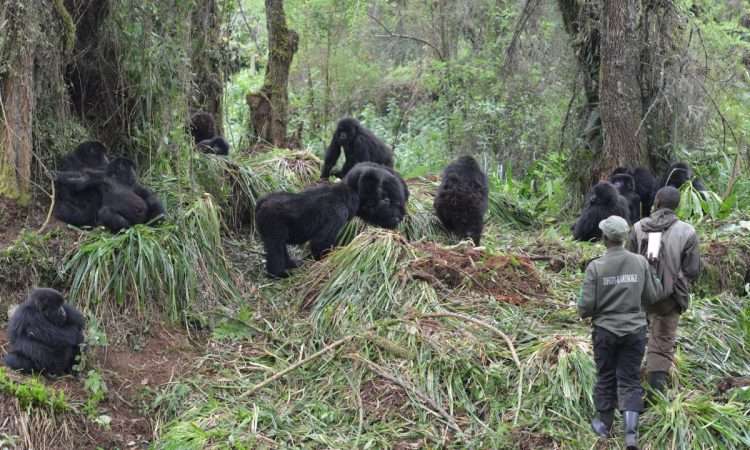
Your gorilla trekking adventure usually begins early in the morning at the park headquarters. After registration, park staff provide a briefing about safety rules, gorilla behavior, and conservation guidelines.
Visitors are then assigned to an available gorilla family and accompanied by trained guides and trackers.
As you walk through the forest, your guide may explain the local vegetation, wildlife and signs that help trackers locate the gorillas.
Once the gorillas are found, visitors are generally allowed to spend a maximum of one hour observing them under standard trekking rules. Special gorilla habituation experiences in Uganda follow different arrangements and allow more observation time under the applicable program rules.
During your encounter, you may see gorillas feeding on plants, grooming one another, resting, or playing. You might also observe a dominant silverback watching over the family.
Always follow your guide's instructions, maintain the required distance from the gorillas, and avoid sudden movements or loud noises.
If you have a cold, flu, or another potentially infectious illness, inform the park authorities before your trek. Mountain gorillas are vulnerable to human respiratory diseases.
5. What Is the Best Time to See Gorillas?
Gorilla trekking is possible throughout the year in Uganda and Rwanda, although weather conditions can influence the experience.
The relatively drier periods, generally June to September and December to February, are popular because forest trails may be easier to navigate.
However, rain can occur at any time in tropical forests. During wetter periods, the vegetation is lush, the scenery is beautiful, and there may be fewer visitors competing for accommodation.
The best time for your trip depends on your travel dates, budget, accommodation preferences, and availability of permits.
If you are planning a combined gorilla trekking and wildlife safari, consider how the season may affect activities in other destinations on your itinerary.
6. Combine Gorilla Trekking with Other African Safari Experiences
One of the best ways to make your African holiday more rewarding is to combine gorilla trekking with other wildlife and cultural experiences.
In Uganda, you can combine gorilla trekking in Bwindi with chimpanzee tracking in Kibale Forest National Park, a game drive in Queen Elizabeth National Park, or a boat cruise along the Kazinga Channel.
You can also visit Lake Bunyonyi to enjoy beautiful scenery, relax beside the lake and experience local culture.
For a longer East African adventure, consider combining Uganda gorilla trekking with wildlife viewing in Kenya's Maasai Mara or Tanzania's Serengeti National Park.
These combinations allow you to experience different landscapes and wildlife encounters during one memorable holiday.
7. Support Gorilla Conservation Through Responsible Tourism
Mountain gorillas face challenges such as habitat loss, disease, and human pressure. Responsible gorilla tourism helps support conservation initiatives, park management, and communities living near protected areas.
During your trek, follow all park regulations, avoid littering, respect wildlife, and listen carefully to your guide.
You can also support local communities by purchasing handmade crafts, using local services, and choosing responsible accommodation providers.
Remember that gorilla trekking is not simply about taking photographs. It is an opportunity to appreciate wildlife and contribute to the protection of one of Africa's most remarkable species.
Book Your Gorilla Trekking Safari with Uganda Tourist Guide.
Are you ready to discover the magic of seeing mountain gorillas in the wild?
Uganda tourist guide helps travelers plan memorable African adventures, from gorilla trekking in Uganda and Rwanda to wildlife safaris, cultural experiences and multi-country holidays.
Our team can help you organize your itinerary, arrange accommodation and transportation and coordinate gorilla trekking permits, subject to availability and the relevant park regulations.
Whether you are traveling alone, as a couple, with family, or in a group, we can help you plan a gorilla trekking safari suited to your interests and budget.
Contact Uganda Tourist Guide today to start planning your gorilla trekking adventure in Africa. Let us help you turn your dream of seeing mountain gorillas into an unforgettable wildlife experience.