

The future of tourism is becoming more exciting as artificial intelligence (AI) transforms the way people plan, book, and experience their holidays. From personalized travel recommendations to automated customer service, AI is helping tourism businesses improve their services and connect with travelers worldwide. As technology continues to develop, tour operators, travel agencies, hotels and destination managers are discovering new ways to use AI to attract customers and improve their experiences.
In Africa, AI offers exciting opportunities to promote tourism destinations, support wildlife conservation and help travelers discover unique experiences. Countries such as Uganda, Kenya, Tanzania and Rwanda can benefit from these technological developments by making their tourism services more accessible to international visitors.
But what does the future of AI in tourism look like, and how can travel businesses prepare for these changes?
1. Personalized Travel Planning
One of the biggest benefits of artificial intelligence in tourism is its ability to personalize travel experiences. Travelers have different interests, budgets, schedules and expectations. Some want luxury holidays, while others prefer budget adventures, cultural experiences, or wildlife safaris.
AI-powered tools can analyze travelers' preferences and recommend destinations, activities, accommodation and itineraries that match their interests.
For example, a traveler planning a Uganda safari may want to experience mountain gorilla trekking in Bwindi Impenetrable National Park, chimpanzee tracking in Kibale Forest, and wildlife viewing in Murchison Falls National Park and Queen Elizabeth National Park. AI tools can help organize these interests into a suggested itinerary.
Tour operators can use these recommendations as a starting point before adding their professional knowledge and personal service. This approach helps travelers discover suitable experiences while saving time during the planning process.
2. Future of AI Chatbots and Faster Customer Service
Customer service plays an important role in the success of any tourism business. Travelers often have questions about tour prices, visa requirements, accommodation, transport, activities and booking conditions.
AI-powered chatbots can answer common questions at any time of the day. This allows potential customers to receive basic information even when a tour operator is unavailable.
For example, a safari company can use a chatbot on its website to answer questions about gorilla trekking permits, the best time to visit Uganda, safari packages, and available activities.
Chatbots can also collect customers' travel dates, preferred destinations, group sizes, and budgets. The tour operator can then use this information to prepare a suitable travel proposal.
However, businesses should ensure that chatbots provide accurate information and direct complicated questions to a knowledgeable staff member. Personal communication remains important when customers are making significant travel investments.
3. Improving Digital Marketing for Tourism Businesses
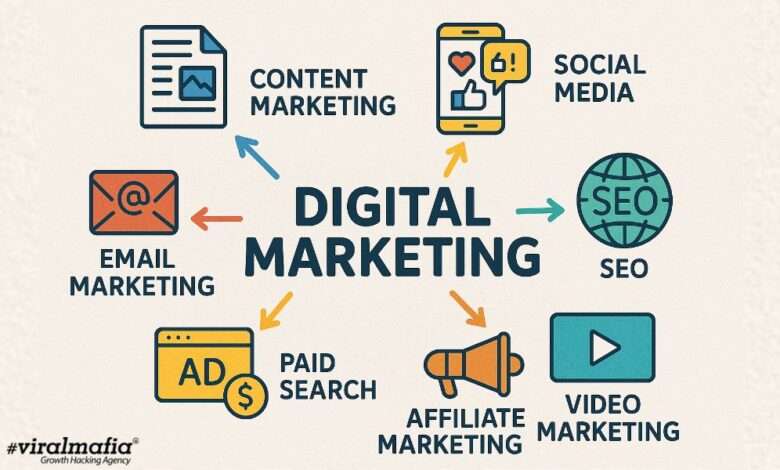
AI is changing how tourism businesses promote their services online. Tour operators can use AI tools to develop blog articles, social media captions, email newsletters, advertising ideas, and website content.
For example, a safari company can create content about Uganda's national parks, gorilla trekking experiences, wildlife safaris, cultural tourism, and adventure activities. Publishing useful information can help the business attract visitors searching for African travel experiences online.
AI tools can also help businesses understand customer interests, identify popular search topics, and improve their marketing messages.
However, AI-generated content should always be reviewed and improved with accurate information, original experiences, and local knowledge. Tourism businesses should avoid publishing misleading claims or relying entirely on automatically generated material.
Combining AI with authentic storytelling can help small tour operators compete more effectively in the digital marketplace.
4. Smarter Booking and Travel Management
Managing bookings can be challenging for tourism businesses, especially when coordinating accommodation, transport, guides, park activities, and customer payments.
AI and other digital technologies can help businesses organize information, automate routine tasks, and reduce administrative work.
For instance, a tour operator organizing a 10-day Uganda safari can use digital systems to manage itinerary details, customer enquiries, booking records and follow-up messages.
AI tools may also help analyze historical booking information to identify periods of high demand. Businesses can use these insights to plan staffing, marketing campaigns and available services.
Nevertheless, tour operators should verify important details, including accommodation availability, gorilla permit availability, current prices, and transport schedules. AI predictions do not guarantee that a service is available.
5. Promoting African Tourism Destinations
Artificial intelligence creates new opportunities to promote lesser-known tourism destinations across Africa.
Many travelers are familiar with popular destinations such as the Masai Mara in Kenya and Serengeti National Park in Tanzania. However, Africa also offers remarkable experiences in less frequently visited locations.
In Uganda, travelers can explore the Rwenzori Mountains, Sipi Falls, Kidepo Valley National Park, Lake Bunyonyi mountain gorillas, chimpanzee trekking and traditional cultural communities.
Tourism businesses can use AI-assisted translation, digital marketing and personalized recommendations to introduce these destinations to international audiences.
For example, a traveler interested in mountain hiking could receive information about the Rwenzori Mountains, while someone interested in birdwatching could discover Mabamba Swamp and its famous shoebill stork.
By combining technology with authentic local knowledge, African tourism businesses can help visitors discover experiences beyond traditional tourist routes.
6. Supporting Wildlife Conservation and Sustainable Tourism
AI can also support wildlife conservation and responsible tourism. Researchers and conservation organizations can use AI-assisted systems to analyze camera-trap photographs, monitor animal movements, and identify patterns in large amounts of environmental data.
These technologies may help conservation teams monitor wildlife populations and identify potential threats more efficiently.
In destinations such as Uganda's national parks, conservation remains essential to protecting gorillas, elephants, lions, chimpanzees, and other wildlife.
AI can also help tourism businesses communicate responsible travel practices to visitors. Travelers can receive information about respecting wildlife, reducing waste, supporting local communities, and following national park regulations.
However, AI is not a replacement for trained conservation professionals, park rangers, or established wildlife protection practices. Its value depends on reliable data, appropriate use, and responsible human oversight.
7. Challenges of Using AI in Tourism
Although the future of AI offers many benefits, tourism businesses must understand its limitations.
One challenge is accuracy. AI tools can sometimes provide outdated prices, incorrect travel information, or unrealistic recommendations. Businesses must verify information before sharing it with customers.
Another concern is data privacy. Tourism companies should protect customers' personal information, use reputable digital systems, and obtain appropriate permission before collecting or processing sensitive information.
Small businesses may also face challenges related to internet access, staff training, and the cost of adopting new technologies.
Furthermore, tourism depends on human relationships. Travelers value knowledgeable guides, warm hospitality, cultural exchange, and personal attention. AI should support these experiences rather than replace them.
The most successful businesses will combine technology with human expertise and genuine customer care.
8. How Tourism Businesses Can Prepare for the Future of AI.
Tourism businesses do not need large budgets to begin exploring AI. Small tour operators can start with practical, affordable steps.
First, use AI tools to brainstorm blog topics, improve website content and develop social media marketing ideas.
Second, create a frequently asked questions section on your website to help travelers understand your services.
Third, explore digital booking and customer management systems that suit your business size.
Fourth, train staff to use AI responsibly, check information carefully, and protect customer privacy.
Finally, continue investing in local knowledge, professional guiding, and personalized customer service. These qualities help distinguish a trustworthy tourism business from competitors.
Conclusion: AI and the Future of Tourism in Africa
The future of AI in tourism presents exciting opportunities for destinations and businesses around the world. Artificial intelligence can improve travel planning, strengthen digital marketing, support customer service, simplify business operations and contribute to wildlife conservation.
For African tourism businesses, the future of AI will provide new ways to showcase remarkable destinations, including Uganda's mountain gorillas, national parks, cultural heritage, mountains, lakes, and waterfalls.
However, technology alone cannot create a memorable holiday. Travelers still need accurate information, reliable tour operators, experienced guides, and authentic experiences.
Businesses that combine AI with human expertise, responsible tourism, and personalized service will be better positioned to respond to changing traveler expectations.
As tourism continues to evolve, embracing useful technology while preserving Africa's natural beauty and cultural heritage can help create a more accessible, competitive and sustainable tourism.