
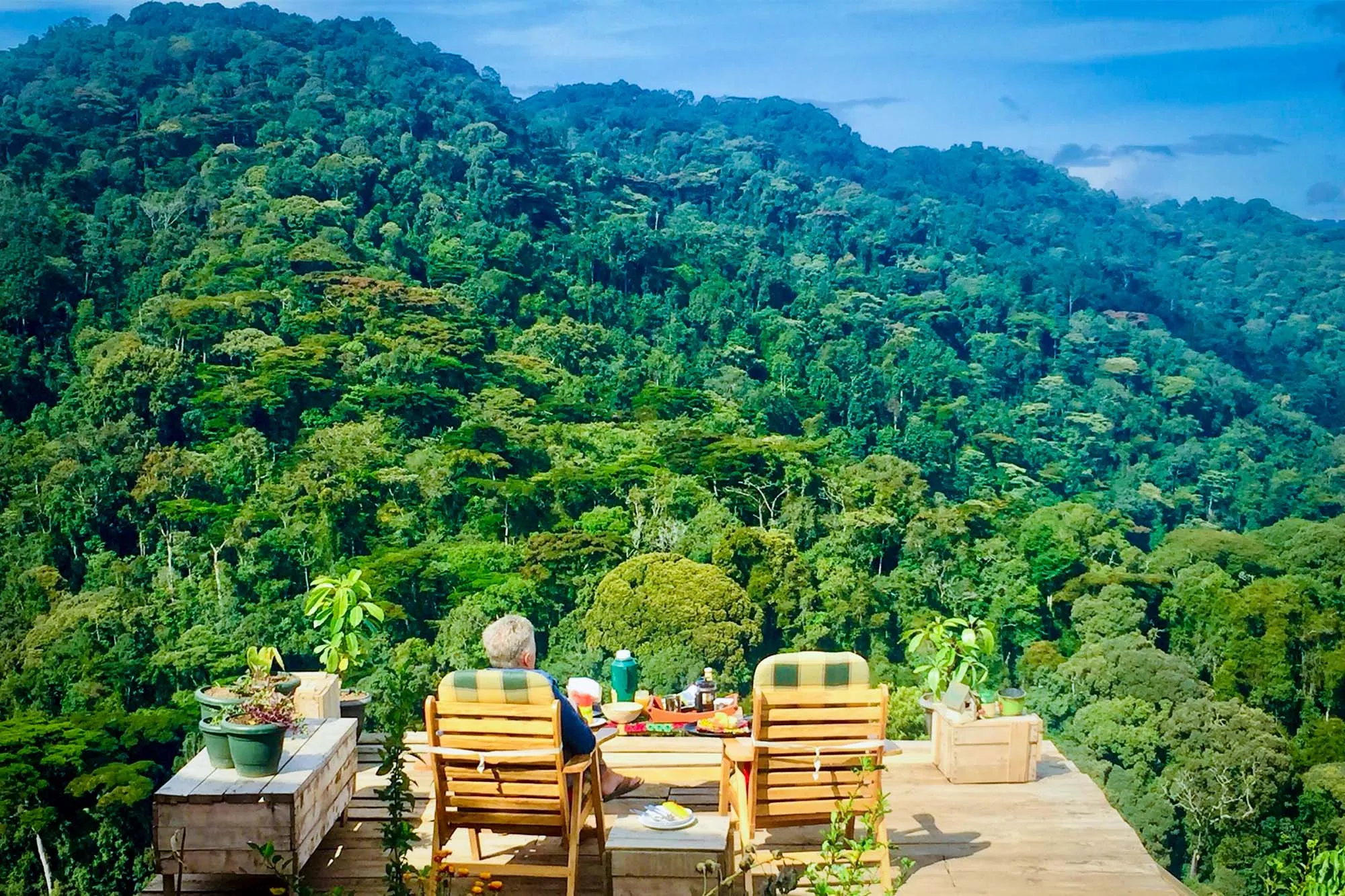
Bwindi Impenetrable Forest National Park is more than a gorilla trekking destination; it is one of Africa’s most important conservation landscapes. As a UNESCO World Heritage listed ecosystem, Bwindi protects ancient rainforest, endangered wildlife, and communities whose future is closely tied to the forest’s survival. Exploring beyond the tourist trail reveals how conservation, community and responsible travel work together to protect this extraordinary wilderness.
Beyond Tourist Trail: protecting an Ancient Ecosystem
Bwindi is one of the oldest rainforests on the African continent, having survived the last Ice Age. However, its dense forest shelters over 1,200 plant species, hundreds of birds and numerous mammals found nowhere else on Earth. Low-impact nature walks along lesser-used trails allow visitors to experience this biodiversity while minimizing disturbance to sensitive habitats. For every step taken with a certified guide supports monitoring, research and habitat protection this brings it beyond the tourist.
Beyond the Tourist Trail Experience: conservation Through Gorilla Habituation
The Gorilla Habituation Experience represents conservation in action. By accompanying researchers and park rangers, visitors gain a deeper understanding of how gorillas are protected, monitored, and gradually accustomed to human presence for long-term conservation benefits. Spending extended time with these magnificent primates fosters awareness, respect, and a stronger commitment to wildlife protection.
Beyond the Tourist Trail: community Conservation Partnerships
True conservation extends beyond park boundaries. Surrounding communities play a critical role in protecting Bwindi from deforestation and poaching. Visits to local villages and Batwa cultural groups highlight how tourism revenue supports education, healthcare, and alternative livelihoods. These initiatives reduce pressure on forest resources while preserving cultural heritage and promoting coexistence with wildlife.
Beyond the Tourist Trail: birding and Forest Monitoring Walks
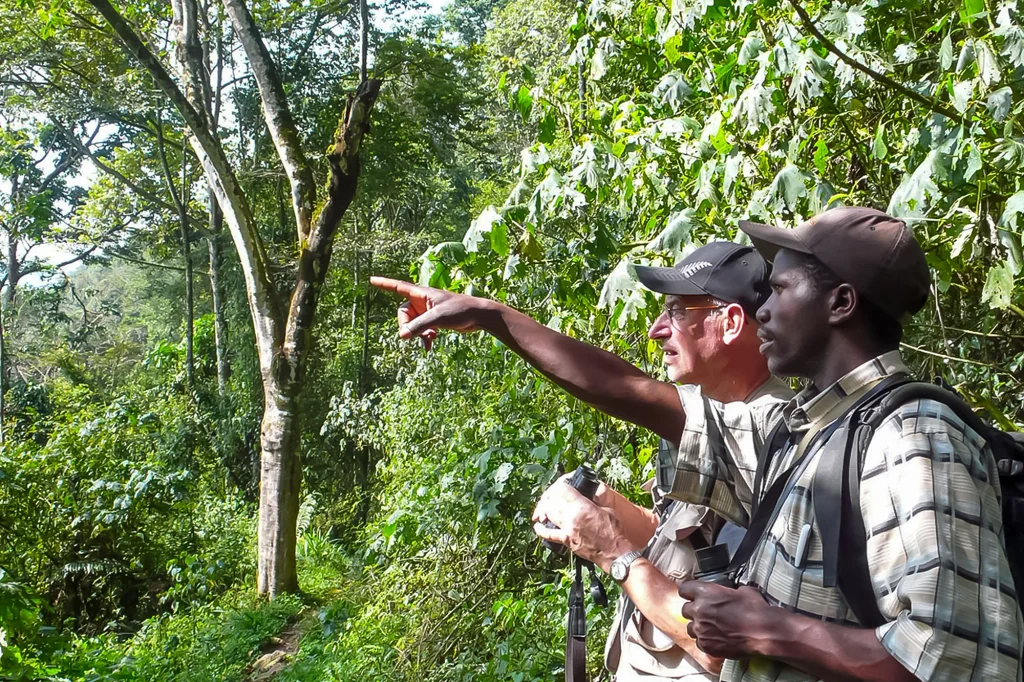
Bwindi is a vital refuge for Albertine Rift endemic bird species, many of which are threatened by habitat loss elsewhere. Guided birding and forest walks contribute to species monitoring and conservation data collection. Travelers become partners in conservation by supporting efforts that protect rare species such as the African green broadbill and Shelley’s crimsoning.
Hidden Water Sources and Watershed Protection
Bwindi’s forest acts as a critical water catchment for surrounding regions. Exploring quiet forest streams, waterfalls, and wetlands highlights the park’s role in maintaining clean water systems for wildlife and local communities. Protecting these hidden natural features ensures ecological balance far beyond the park itself.
3. Beyond the Tourist Trail: Meet the Batwa Community
One of the most meaningful ways to go beyond the tourist trail is through a cultural experience with communities around Bwindi.
The Batwa people have a deep historical connection with the forests of the Albertine Rift. Community experiences can introduce visitors to traditional knowledge, storytelling, music, dance, forest skills and everyday life.
A cultural visit is more than sightseeing. It gives travelers an opportunity to learn about the relationship between people, forests, wildlife, and conservation.
When choosing a cultural experience, consider activities that directly support local communities and encourage responsible tourism.
Responsible Travel with Lasting Impact
Choosing experiences beyond the main tourist routes reduces overcrowding and environmental stress while increasing conservation benefits. Responsible travel in Bwindi directly funds ranger patrols, wildlife research, and community led conservation projects ensuring the forest remains intact for generations to come.
A Conservation-Driven Safari Experience
Beyond the tourist trail, Bwindi Impenetrable Forest National Park becomes a powerful example of how conservation and tourism can coexist. It is a destination for travelers who wish to make a positive impact while experiencing one of Africa’s most precious ecosystems.
Book your Bwindi safari today with Uganda Tourist Guide every journey to Bwindi supports conservation, community empowerment and the long-term protection of mountain gorillas and their forest home.