
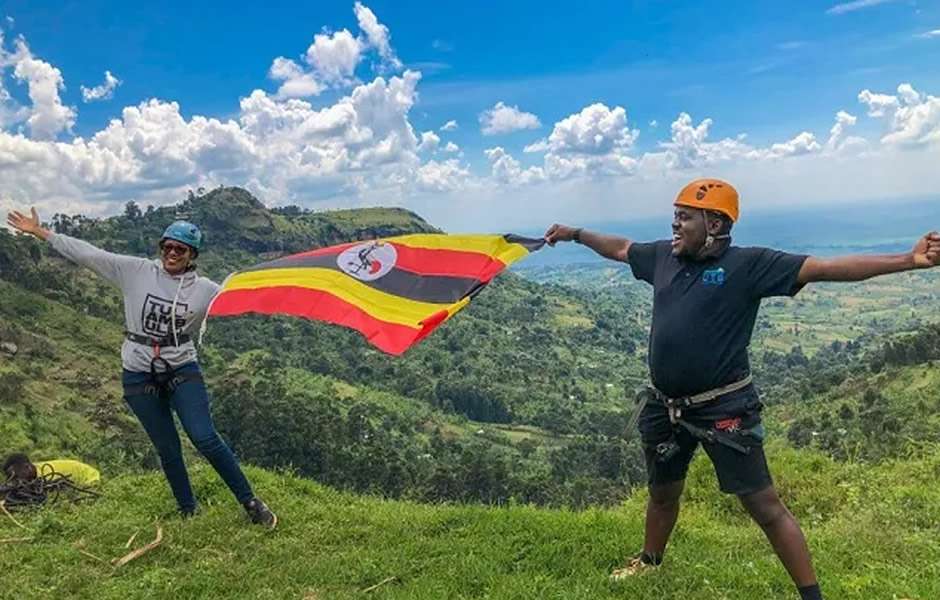
Uganda, famously known as the Pearl of Africa, is a destination filled with extraordinary natural beauty, diverse wildlife, breathtaking landscapes and welcoming communities. From encountering mountain gorillas in the misty forests of Bwindi Impenetrable National Park and Mgahinga gorilla National Park to watching elephants roam and tree-climbing lions across Queen Elizabeth National Park, Uganda offers unforgettable travel experiences. However, exploring this beautiful country comes with an important responsibility: travelling in a way that protects nature, respects local cultures and benefits the communities that make every destination special.
Travelling GOOD in Uganda means making responsible choices throughout your journey. It is about enjoying incredible adventures while leaving a positive impact on the environment, wildlife and local people. Whether you are planning a gorilla trekking adventure, a wildlife safari, a cultural experience or a community-based tourism holiday, ethical exploration allows you to discover Uganda more meaningfully.
Here is how you can travel responsibly while experiencing the best of Uganda.
1. Support Local Communities Through Responsible Tourism in Uganda.
One of the best ways to travel GOOD in Uganda is by supporting local communities. Tourism creates opportunities for people living around national parks and other popular destinations. Choosing locally owned accommodation, hiring local guides, purchasing handmade crafts and eating at locally operated restaurants helps ensure that tourism benefits the people who live in these areas.
For example, when visiting communities around Bwindi Impenetrable National Park, consider participating in cultural experiences organised by local residents. You can learn about traditional music, dances, food preparation, farming practices and the history of indigenous communities.
These experiences provide travellers with authentic cultural encounters while creating income opportunities for local families.
Remember, responsible travel is not only about the places you visit but also about the positive difference your visit makes.
2. Respect Wildlife During Travel in Uganda Safaris
Uganda is home to remarkable wildlife, including mountain gorillas, chimpanzees, elephants, lions, leopards, giraffes, hippos and hundreds of bird species. Protecting these animals should always be a priority when exploring the country's national parks.
During wildlife safaris, follow the instructions of your professional safari guide and park authorities. Maintain a safe distance from animals, avoid feeding wildlife and never attempt to attract animals for photographs.
If you are planning a mountain gorilla trekking experience in Bwindi or Mgahinga Gorilla National Park, respect the trekking regulations. Keep the recommended distance from gorillas, avoid touching them and follow health guidelines provided by your guides.
Responsible wildlife tourism helps protect endangered species and supports conservation programmes that safeguard Uganda's natural heritage for future generations.
3. Choose Eco-Friendly Accommodation
Where you stay during your Uganda safari can make a significant difference. Many lodges and camps across the country are adopting sustainable practices to reduce their environmental impact.
Consider choosing accommodation that supports conservation, manages waste responsibly, conserves water and energy, and employs people from surrounding communities.
From eco-friendly forest lodges in Bwindi to safari camps overlooking the savannah plains of Queen Elizabeth National Park, Uganda offers accommodation options that allow visitors to enjoy nature while supporting responsible tourism.
Before making your reservation, ask accommodation providers about their environmental policies and community involvement.
Small decisions, such as reusing towels, switching off unused lights and avoiding unnecessary water consumption, also contribute to sustainable travel.
4. Respect Uganda's Culture and Traditions
Uganda is a culturally diverse country with more than 50 recognised ethnic communities, each with its own traditions, languages, food and cultural practices.
Travelling GOOD means appreciating these differences and approaching every cultural encounter with respect and an open mind.
When visiting local villages, cultural centres or traditional communities, dress appropriately, ask permission before taking photographs and respect local customs. Take time to listen to people's stories and learn about their traditions instead of treating cultural experiences simply as tourist attractions.
You can explore traditional lifestyles through cultural experiences in western Uganda, discover the heritage of the Batwa communities near Bwindi and Mgahinga, or experience the unique traditions of the Karamojong people in northeastern Uganda.
Authentic cultural tourism creates meaningful connections between visitors and local communities while helping preserve Uganda's cultural heritage.
5. Reduce Plastic Waste and Protect the Environment
Uganda's natural beauty deserves protection. From the spectacular River Nile to the forests of Kibale and the open landscapes of Murchison Falls National Park, every traveller has a role to play in keeping these environments clean.
Avoid single-use plastics whenever possible. Carry a reusable water bottle, use reusable shopping bags and dispose of rubbish responsibly.
Never leave plastic bottles, food packaging or other waste along trekking trails, in national parks or at accommodation facilities.
When hiking, trekking or participating in nature walks, remain on designated paths to avoid damaging vegetation and disturbing wildlife habitats.
You can also support tourism operators that demonstrate a commitment to environmental conservation and responsible waste management.

6. Choose Responsible Tour Operators
Your choice of safari company can influence the quality and sustainability of your entire Uganda holiday. Responsible tour operators prioritise visitor safety, wildlife conservation, ethical employment and positive relationships with local communities.
Before booking your safari, research the company, read customer reviews and ask how its tourism activities support conservation and local development.
Choose operators who employ knowledgeable local guides, follow national park regulations, work with responsible accommodation providers and communicate honestly about their services.
At Uganda Tourist Guide, we believe that exploring Africa should create meaningful experiences while appreciating the natural and cultural heritage of every destination. With more than 20 years of experience with Cycads African Safaris we are passionate about helping travelers discover Uganda through memorable and responsible adventures.
7. Explore Beyond the Popular Tourist Destinations
Responsible exploration also means discovering destinations beyond the familiar tourist routes. Uganda has many remarkable places that deserve attention, offering opportunities to spread tourism benefits across different regions.
Consider exploring Mount Elgon, Sipi Falls, Pian Upe Wildlife Reserve, Kidepo Valley National Park and the cultural landscapes of northeastern Uganda, Mgahinga Gorilla National Park for gorilla and golden monkey trekking
You can also discover community tourism experiences around Lake Bunyonyi, enjoy nature walks in Kibale Forest and explore the beautiful countryside surrounding Fort Portal.
Visiting less-explored destinations can support small businesses, create employment opportunities and encourage tourism development in communities that receive fewer visitors.
These experiences also allow travellers to discover a different side of Uganda, away from the traditional safari routes.
8. Be a Responsible Traveller and Create Positive Memories
Travelling GOOD is not about giving up adventure or luxury. It is about making thoughtful decisions that benefit both visitors and the destinations they explore.
Learn a few local greetings, respect your guides, support local businesses and remain mindful of your environmental footprint.
Be patient during wildlife encounters, appreciate cultural differences and understand that responsible tourism requires cooperation between travellers, communities, conservation organisations and tourism businesses.
Most importantly, remember that Uganda's natural resources and cultural heritage are valuable treasures that should be protected for generations to come.
Why Travel GOOD in Uganda with Uganda Tourist Guide?
Uganda offers more than beautiful scenery and incredible wildlife encounters. It provides opportunities to connect with nature, experience authentic African cultures and discover communities whose traditions make the country unique.
At Uganda tourist guide we believe every journey should go beyond sightseeing. Our goal is to create meaningful African adventures that allow travelers to appreciate wildlife, explore diverse cultures and experience the beauty of Uganda responsibly.
Whether you dream of meeting mountain gorillas in Bwindi, chimpanzee tracking in Kibale, wildlife, birdwatching and culture experience contact us info@ugandatouristguide.com