

Uganda celebrated World Tourism Day 2026 on September 27 in Mbale City. These celebrations brought together government officials, tourism businesses, conservation organizations, communities, cultural leaders and other stakeholder. The organizers held the national celebrations under the theme “Digital Agenda and Artificial Intelligence to Redesign Tourism.”
The choice of Mbale was significant because Eastern Uganda has a wide range of tourism attractions, including Mount Elgon, Sipi Falls, Wanale Hill, coffee experiences, cultural heritage and local cuisine. Many of these products have not received the same level of international attention as Uganda's established safari destinations. The celebrations provided an opportunity to discuss how technology can help Uganda promote its attractions, attract visitors and increase tourism income.
1. Uganda is moving towards digital world tourism
One of the biggest outcomes of this year's World Tourism Day is a stronger focus on digital transformation in tourism. Today's travelers increasingly discover destinations through Google searches, social media, online reviews, websites and digital booking platforms before deciding where to travel.
The Ministry of Tourism has highlighted the potential of artificial intelligence to improve destination marketing, personalise visitor experiences, strengthen customer engagement and help tourism businesses use information more effectively.
For Uganda, this means tour operators, hotels, lodges, guides and attractions have an opportunity to reach travellers around the world without depending entirely on traditional advertising.
A small safari company in Uganda can now use a website, social media, online booking systems, videos and AI-supported marketing tools to showcase experiences such as gorilla trekking, chimpanzee tracking, wildlife safaris, cultural tours and hiking.
2. Artificial intelligence could change how visitors plan Uganda safaris
The theme also puts artificial intelligence at the centre of Uganda's tourism discussion.
AI can support travellers when researching destinations, comparing activities and creating travel plans. For tourism businesses, it can assist with customer communication, content creation, data analysis and personalised recommendations.
Uganda's tourism industry can therefore use AI to make it easier for visitors to discover destinations that may not yet be well known.
For example, a traveller searching online for an African adventure could discover Sipi Falls, mount Elgon hiking, coffee tours, cultural experiences or the Mabamba shoebill experience alongside Uganda's famous gorilla and wildlife safaris.
The important outcome is that technology can help Uganda tell a broader tourism story.
3. Eastern Uganda has received greater attention
Hosting World Tourism Day in Mbale helped place Eastern Uganda and the Elgon region in the national tourism spotlight.
Before the celebrations, tourism stakeholders identified products such as Arabica coffee, malewa bamboo shoots and Bugisu cultural traditions as experiences that could be developed and promoted.
The region also offers Mount Elgon landscapes, waterfalls, hiking opportunities and cultural experiences.
This creates an opportunity for Uganda to diversify its tourism products. Instead of concentrating visitor spending around a few famous destinations, more travelers can be encouraged to explore different parts of the country.
4. Tourism can create more opportunities for communities
Another important message from the celebrations was the economic value of world tourism.
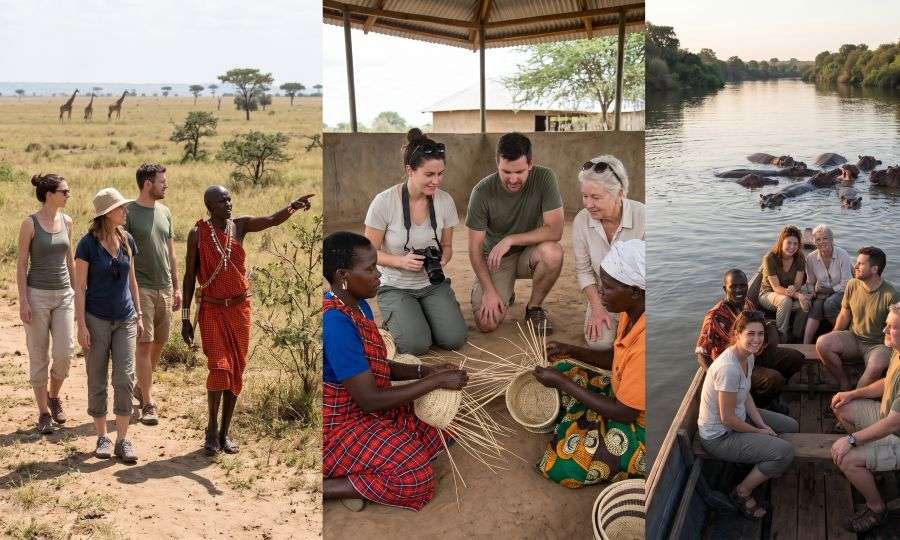
Tourism does not benefit only tour operators. Visitors spend money on accommodation, transport, restaurants, guiding services, entertainment, cultural experiences, crafts and other local services.
The national celebrations highlighted tourism as an industry with a wide economic multiplier effect, creating opportunities for communities and individuals.
For communities around tourism destinations, this can mean opportunities to sell locally produced goods, provide cultural experiences, offer guiding services, operate accommodation facilities and participate in other tourism-related businesses.
5. Conservation remains central to Uganda's tourism future
Digital transformation alone cannot guarantee tourism growth. Uganda's tourism industry depends heavily on its natural environment, including forests, wetlands, wildlife habitats, rivers and mountains.
During the Mbale celebrations, attention was also given to conservation and the need to protect ecosystems that support tourism. A Tourism Conservation Strategy for the Elgon Sub-region was unveiled, with emphasis on protecting forests and wetlands from degradation.
This is important because Uganda's tourism attractions depend on healthy ecosystems. Protecting these resources helps preserve the experiences that visitors come to enjoy.
6. Mbale Wildlife Conservation Education Centre adds a new attraction
Another major outcome was the commissioning of the Mbale Wildlife Conservation Education Centre, commonly known as Mbale Zoo.
Uganda Wildlife Authority established the facility to promote wildlife conservation education and tourism in the Elgon sub-region. It gives residents, students and visitors an opportunity to learn more about Uganda's wildlife closer to home.
This can also support domestic tourism by encouraging Ugandans to explore tourism attractions within their own regions.
7. Domestic tourism received renewed attention
World Tourism Day 2026 also encouraged Ugandans to become tourists in their own country.
From September 25–27, Uganda Wildlife Authority organised Open Park Days, giving Ugandans access to selected protected areas without park entry fees. The initiative was designed to encourage people who had never visited a national park to experience Uganda's natural heritage.
This is important for the long-term development of domestic tourism. When Ugandans experience their country's attractions, they can become visitors, customers and ambassadors for tourism.
8. Better digital visibility can help Uganda compete internationally
Perhaps the biggest lesson from the 2026 World Tourism Day celebrations is that Uganda has many tourism products, but they need stronger visibility.
A beautiful destination cannot attract many visitors if potential travellers do not know about it.
Websites, social media, videos, online reviews, digital booking systems and AI tools can help Uganda present its tourism products to international markets.
For tourism businesses such as Uganda Tourist guide, this creates opportunities to showcase Uganda's gorilla trekking, wildlife safaris, chimpanzee experiences, cultural tours, waterfalls and other attractions to travelers searching online.
Conclusion: A new digital chapter for Uganda tourism
The World Tourism Day celebrations in Mbale have provided Uganda with an important opportunity to rethink how tourism is promoted and experienced.
The theme “Digital Agenda and Artificial Intelligence to Redesign Tourism” points towards a tourism industry that is more connected, technology-driven and accessible.
The outcomes go beyond the celebration itself: greater attention to Eastern Uganda, stronger promotion of domestic tourism, increased emphasis on conservation, the opening of the Mbale Wildlife Conservation Education Centre and a renewed focus on digital marketing and artificial intelligence.
For Uganda, the next step is turning these ideas into practical action. Tourism businesses, government agencies, communities and technology providers can work together to make Uganda easier to discover, easier to book and more rewarding to experience.