
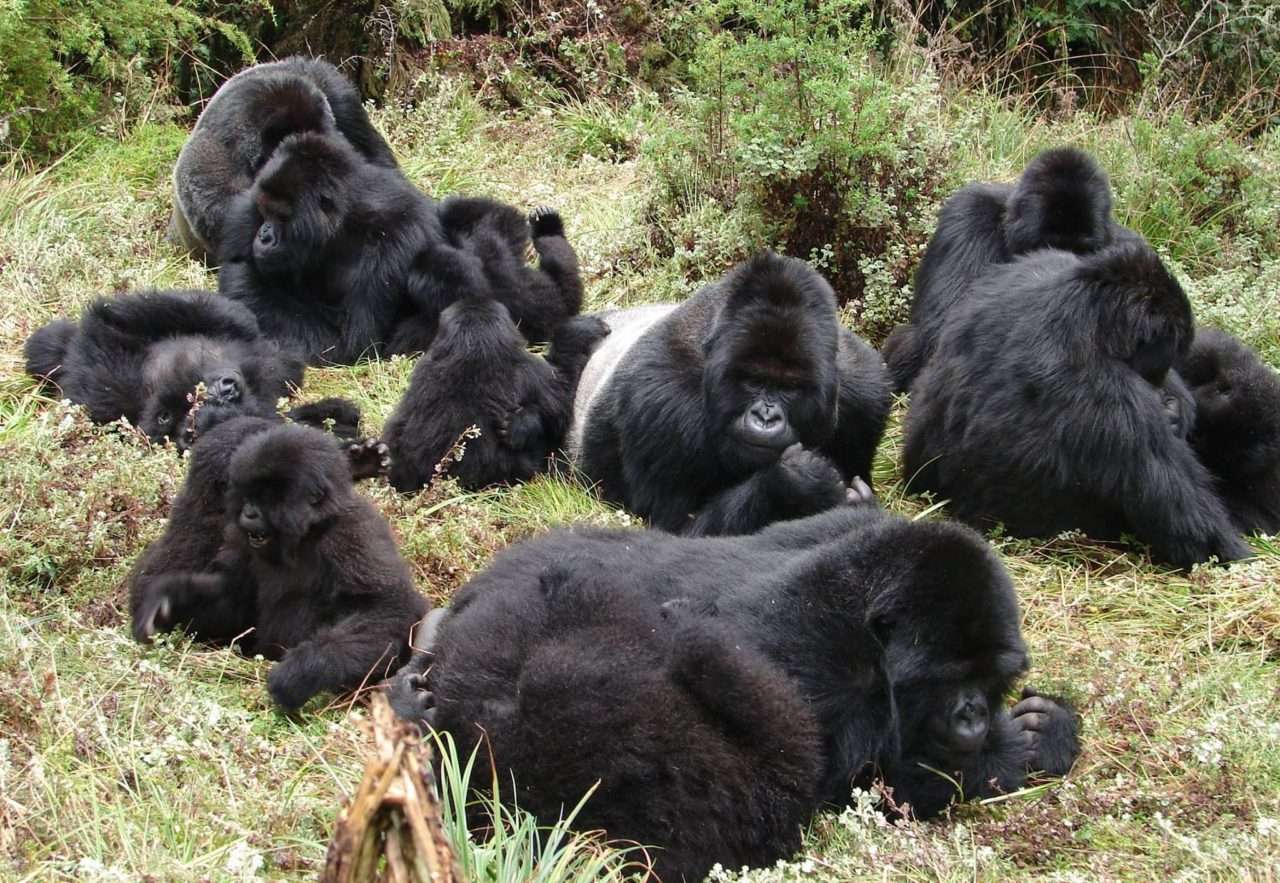
Gorillas are among the most fascinating animals in Africa, and the close gorilla form families' bond make them especially interesting to observe in the wild. Unlike many animals that live mostly alone, gorillas are highly social and spend much of their lives in family groups. These groups provide protection, companionship, and opportunities for young gorillas to learn important survival skills.
For travelers planning gorilla trekking in Uganda understanding how gorillas form families can make the experience even more meaningful. In Uganda, visitors can observe mountain gorillas in their natural habitat in Bwindi Impenetrable National Park and Mgahinga Gorilla National Park.
What Is a Gorilla form Family?
A gorilla family is a social group made up of several individuals that live, travel, feed, and rest together. A typical mountain gorilla family may include a dominant silverback, adult females, younger males, juveniles, and infants.
The size of a gorilla form family can change over time. Some groups may have only a few members, while others can contain many individuals. Family composition also changes as gorillas mature, leave their birth groups, or join new groups.
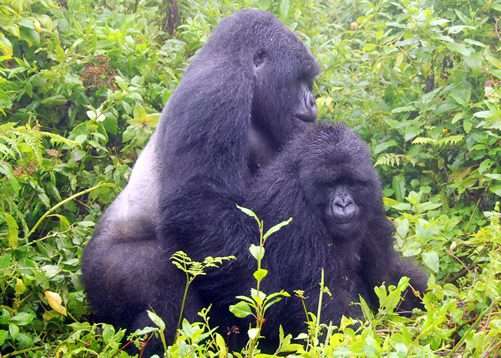
At the center of most gorilla families is a silverback. A silverback is a mature male gorilla whose back develops a distinctive silver-colored patch as he reaches adulthood.
How Do a Male Gorilla Form a Family?
Gorilla form families through social relationships, reproduction and movement between groups.
Young gorillas are normally born into an existing family. They spend their early years close to their mothers and other members of the group. Mothers provide food, protection, grooming, and care while infants gradually learn how to interact with other gorillas.
As young gorillas grow older, their social roles begin to change. Young males may eventually leave their birth group. Some become solitary for a period before forming their own groups or joining other males.
When new silverbacks are noticed in one family when mating time comes these silverbacks may not be able to stay together anymore guess what happens, the battle will breakout the winner will stay, and the rest will move and for new gorilla form families.
Females may also transfer between groups, particularly when they reach maturity. Moving between groups can help them find breeding opportunities and establish new families.
Over time, these movements contribute to the formation and development of new gorilla form families.
Mothers and Their Babies
The bond between a mother gorilla and her baby is one of the most beautiful relationships to observe.
Newborn gorillas depend heavily on their mothers. The mother carries the infant, protects it, and keeps it close during the early stages of life. As the baby becomes stronger, it begins exploring its surroundings while remaining near its mother.
Gorilla babies learn by watching adults. They observe how other gorillas find food, communicate, move through the forest, and interact with members of the family. Play is also an important part of growing up. Young gorillas often play with other juveniles, helping them develop physical coordination and social skills which create new gorilla form families.
What Happens When a Gorilla Family Changes?
Gorilla families are not permanent in exactly the same form. Their membership can change naturally over time.
Young gorillas grow into adults. Some males leave their families, while females may transfer to other groups. New infants are born, and older individuals eventually die.
A family may also split or change leadership when circumstances require it. A younger silverback may challenge an older male, or several males may establish relationships that eventually contribute to the development of a new group.
These natural changes help maintain healthy gorilla populations and genetic diversity.
Grooming Strengthens Family Bonds
Grooming is another important part of gorilla social life. Gorillas may sit close together and remove dirt or parasites from each other's fur.
However, grooming is about more than cleanliness. It can also strengthen social relationships and help maintain peace within the family.
A gorilla family spends significant time together, and these interactions help members recognize one another and maintain strong social connections.
How Gorillas Communicate
Gorillas use different sounds, body movements, facial expressions, and physical behaviors to communicate.
Chest beating is perhaps the most famous gorilla behavior. Although it can appear intimidating, chest beating can communicate information about the gorilla's size, strength, excitement, or intentions.
Gorillas also use vocalizations to communicate with one another. Mothers and infants may make different sounds when they want to maintain contact, while adults can use calls to signal different situations.
Body language is equally important. A gorilla's posture, movement, facial expression, and distance from another individual can communicate social information.
The Role of the Silverback
The silverback plays an important role in maintaining the family. He provides protection, leads the group from one feeding area to another, and helps maintain order among members.
When the gorilla form family encounters a potential threat, the silverback may display powerful behaviors such as chest beating, vocalizations, charging, or standing upright. These behaviors can warn other animals and communicate his strength.
The silverback also helps maintain relationships within the group. Although he is the dominant individual, gorilla families depend on social bonds between many members, not only on the silverback.
Why Gorilla Families Matter for Conservation
Understanding gorilla form families is important for conservation. Researchers and conservation teams monitor gorilla groups to understand their health, behavior, reproduction, movements, and population changes.
Mountain gorillas have faced serious threats from habitat loss, disease, and other human-related pressures. Conservation programs, protected forests, research, and responsible tourism have all contributed to efforts to protect these remarkable animals.
Gorilla trekking in Uganda also gives travelers an opportunity to contribute to conservation. Visitors who trek with authorized guides and follow park regulations can observe gorillas while minimizing disturbance to their natural behavior.
Experience Gorilla Families in Uganda
For travelers looking for an unforgettable African wildlife experience, seeing a gorilla family in the forest can be extraordinary. Instead of simply seeing animals from a vehicle, gorilla trekking allows visitors to spend time observing their social interactions at close range under strict tourism guidelines.
Bwindi Impenetrable National Park is one of Uganda's most important destinations for mountain gorilla trekking. The ancient forest is home to numerous gorilla groups and offers visitors the opportunity to learn about their fascinating social lives.
From watching a mother care for her infant to seeing juveniles play and silverbacks protect their families; every encounter can reveal something new about gorilla behavior.
Plan Your Uganda Gorilla Trekking Adventure
Gorillas form families through strong social relationships, reproduction, movement between groups, and the natural development of younger generations. Their families are built on protection, communication, care, and cooperation.
For anyone interested in Uganda tours, gorilla trekking offers more than an opportunity to take photographs. It provides a chance to understand one of our closest living relatives and appreciate why protecting their forest habitat is so important.
Book your Uganda Safari today, contact us info@ugandatourist.com Wats app: +18182906623.